Source Teeth Whitening Sports Mouth Guard for Basketball, Football, and Table Tennis
Compare 30 verified listings for the teeth whitening sports mouth guard, featuring options in silicone and EVA materials with waterproof protection. Buyers can evaluate customization, packaging, and MOQs from manufacturers in Fujian and Jiangsu, China.
Key considerations
Products List


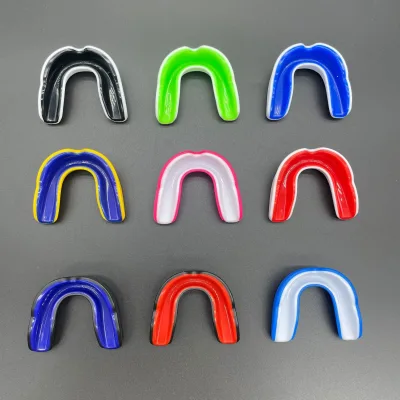


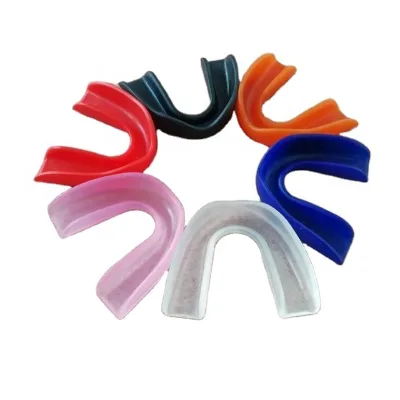
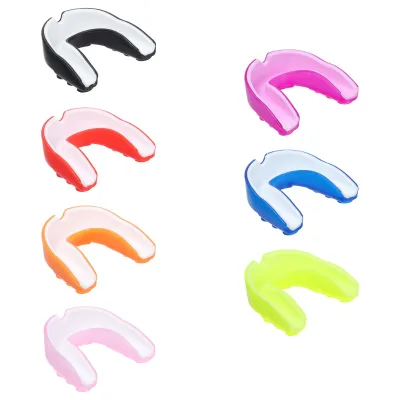
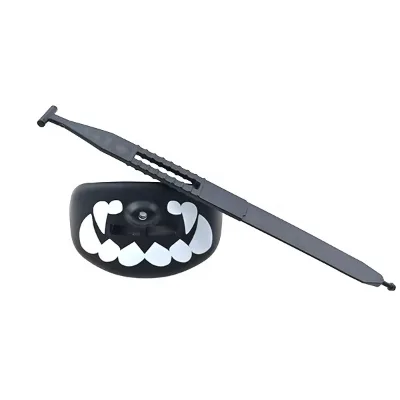
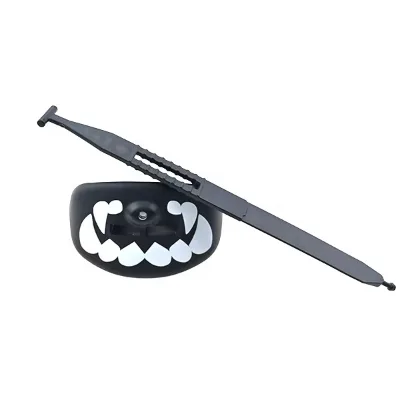
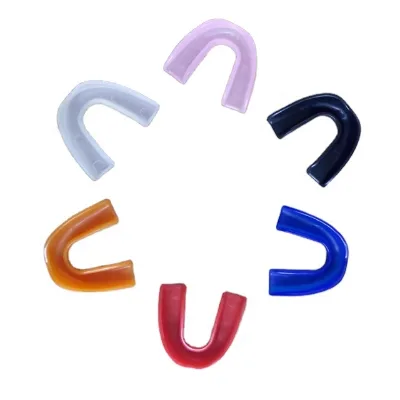
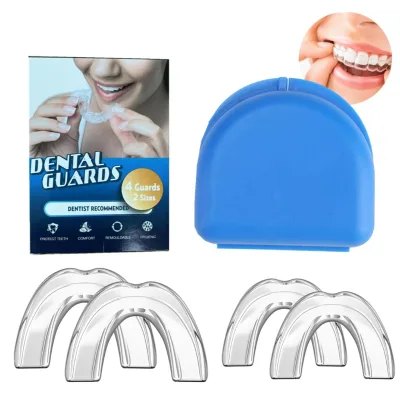


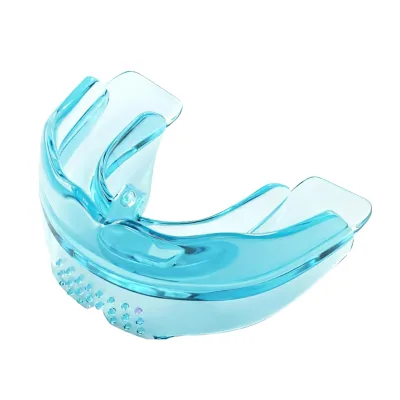


Comprehensive Sourcing Guide
Strategic Sourcing Guide for Teeth Whitening Sports Mouth Guards
The global market for protective sports equipment has seen a significant shift toward specialized dental protection that doubles as a functional wellness tool. Buyers searching for "teeth whitening sports mouth guard" are navigating a niche intersection where athletic safety meets oral hygiene. While the primary function of any mouth guard in a sporting context is impact absorption and injury prevention, the specific inclusion of "teeth whitening" attributes suggests a product category that may blend protective materials with whitening agents or specific surface treatments. However, procurement professionals must exercise extreme caution when evaluating such claims, as the core utility of a sports mouth guard is defined by its ability to protect teeth during high-impact activities, not necessarily by cosmetic alteration. This guide provides a disciplined framework for sourcing these products, relying strictly on observed market data and verified technical attributes to ensure a robust supply chain strategy.
Technical Specifications and Material Composition
The foundation of any successful procurement strategy lies in understanding the physical and chemical properties of the product. Based on observed market data, the material composition for sports mouth guards varies significantly, with Silicone and EVA (Ethylene-Vinyl Acetate) being the most prevalent options. Silicone products are often noted for their transparency and flexibility, making them suitable for users requiring a clear aesthetic, while EVA materials are frequently cited for their shock-absorbing capabilities and durability. The specific standard dimensions observed in the market include configurations such as 12015032mm, 494943CM, and 9X9X3 cm, indicating a wide variance in packaging and product sizing that buyers must align with their specific inventory needs.
Furthermore, the manufacturing process plays a critical role in the final product's performance. Data indicates the availability of 3D Printing Mold technology, which allows for highly customized fits. This is a crucial differentiator for buyers targeting the "Universal" or "Adult" age groups, as a precise fit is essential for both comfort and effective protection. The product weight is another vital specification, with observed single unit weights ranging from 0.08kg to 0.5kg. Buyers should verify that the weight specifications provided by suppliers match the actual product density, as heavier guards may offer more protection but could be less comfortable for extended wear during training or competition. The "Single package size" of 10X10X20 cm suggests that logistics and storage costs will be influenced by the bulkiness of the individual units, necessitating careful calculation of shipping efficiency.
Compliance, Certification, and Safety Standards
In the realm of sports safety equipment, compliance is not merely a regulatory formality but a prerequisite for market entry and liability protection. The supplied data explicitly mentions CE certification, a mandatory conformity mark for products sold within the European Economic Area. This certification indicates that the product meets EU safety, health, and environmental requirements. However, buyers must not assume that all listed products possess this status without verification. The presence of "CE" in the data suggests that at least some suppliers in the supply chain adhere to these standards, but it is the buyer's responsibility to request current, valid certificates for each specific batch or model.
Beyond CE, the "prod_standard" attributes observed, such as 12015032mm, often serve as internal reference points for product dimensions rather than international safety standards like ISO or ASTM. Buyers should be aware that while these dimensions describe the physical product, they do not inherently guarantee impact resistance or biocompatibility. When sourcing for "Protection Projects" such as Basketball, Football, and Table Tennis Ball, the mouth guard must be capable of withstanding specific impact forces. The "Usage Scenarios" listed include Boxing, which implies a need for high-impact protection, and "Home" usage, which may suggest lower intensity requirements. Procurement teams must ensure that the supplier can demonstrate that the product meets the safety standards relevant to the intended sport, as a guard designed for home use may not suffice for professional competition.
Cost Drivers and Pricing Dynamics
The pricing structure for sports mouth guards is influenced by a complex interplay of material costs, customization levels, and order volumes. The observed price range in the market spans from 0.01 to 5 USD, a wide variance that reflects differences in material quality, branding, and packaging sophistication. Products priced at the lower end of this spectrum are likely to be generic, non-customized items made from standard EVA or Silicone, often packaged in simple polybags. Conversely, items at the higher end may feature custom logos, premium packaging such as color boxes or plastic boxes, and advanced manufacturing techniques like 3D printing molds.
The Minimum Order Quantity (MOQ) is a significant cost driver. Data indicates MOQs ranging from 10 PCS to 500 PCS, with specific instances of 50 PCS and 100 PCS. For small retailers or startups, an MOQ of 10 PCS offers a low barrier to entry, allowing for market testing without significant capital commitment. However, larger buyers seeking economies of scale will find that higher volume orders often yield better unit prices. The "Selling Units" being listed as "Single item" suggests that the market supports both bulk purchasing and individual unit sales, but the unit cost will fluctuate based on the total order volume. Buyers must also consider the "Packaging" costs, as options like "Color Box" or "Plastic Box" add to the overall unit cost compared to simple "Polybags" or "OPP Bag" options.
Typical Applications and Usage Scenarios
The versatility of sports mouth guards extends across various athletic disciplines and usage contexts. The observed data highlights specific "Protection Projects" including Basketball, Football, and Table Tennis Ball, indicating that these products are engineered to withstand the impact forces associated with these sports. Additionally, the "Usage Scenarios" explicitly mention Boxing, a sport known for high-impact collisions, requiring a mouth guard with superior shock absorption. The "Best Use" attribute notes "anti-teeth grinding," suggesting that some products in this category may also serve a dual purpose for individuals suffering from bruxism, although this should be verified against medical claims.
The "Style" is described as "Unisex" and "Popular," appealing to a broad demographic. The "Applicable People" are listed as "Universal," and the "Size" is specified as "Adult," confirming that the primary target market is grown individuals. However, buyers should note that the "Usage" includes both "for Training" and "for Competition," implying that the product must meet the rigorous demands of professional athletes while remaining comfortable for recreational use. The "Condition" is consistently listed as "Brand New," and the "Usage Times" are noted as "Non-Disposable," indicating that these are durable goods intended for repeated use rather than single-event protection. This distinction is vital for inventory planning, as non-disposable items require different quality control measures to ensure longevity.
Supplier Evaluation and Customization Capabilities
When evaluating potential suppliers, buyers must look beyond the basic product listing and assess the depth of customization capabilities. The data confirms that "Customization" and "Customized Logo" are available, with specific mentions of "Customized Logo Accept" and "Logo Printing: Without Logo Printing" as options. This flexibility allows buyers to brand products for their specific retail channels or corporate clients. The "Mold Type" of 3D Printing Mold suggests a high level of precision in manufacturing, which is essential for creating custom-fit mouth guards.
Suppliers also vary in their packaging capabilities, with options ranging from "Polybags" to "Color Box" and "Plastic Box." The "prod_packing" attributes show a mix of "OPP Bag or Color Box" and "Box Package," indicating that suppliers can adapt to different retail requirements. The "Place of Origin" is primarily identified as Fujian, China, and Jiangsu, China, which are known manufacturing hubs for sports equipment. Buyers should verify the specific factory locations to ensure they align with their ethical sourcing policies and logistics preferences. The "Sample" availability is a critical factor in the evaluation process, as the data confirms that suppliers "Provide Samples," allowing buyers to physically inspect the product quality before committing to a large order.
Quality Control and Long-Term Procurement Considerations
Ensuring consistent quality is paramount in the procurement of sports safety equipment. The "Feature" attributes highlight "Eco-Friendly" and "Easy To Use" as key selling points, which should be verified through third-party testing to ensure they are not merely marketing claims. The "Material" being Silicone or EVA must be confirmed to be free from harmful substances, especially given the product's direct contact with the mouth. The "Single gross weight" of 0.5 kg and "Weight" of 0.08 kg provide benchmarks for consistency; significant deviations in these weights could indicate quality control issues or material inconsistencies.
For long-term procurement, buyers should consider the "Condition" and "Usage Times" to ensure the product meets durability expectations. The "Non-Disposable" nature of the product implies that it must withstand repeated cleaning and use without degrading. The "Color" options, including "Black, Red, Light Blue, Transparent, Dark Blue," and "mix colors," offer variety but require strict color matching protocols to maintain brand consistency. Finally, the "Brand Name" such as "Fugar" may be relevant for buyers looking to source private label products, but the primary focus should remain on the technical specifications and compliance status. By adhering to these disciplined evaluation criteria, buyers can build a resilient supply chain that delivers high-quality, safe, and effective sports mouth guards.
FAQs
What materials are used for sports mouth guards?
The primary materials observed are Silicone and EVA. Silicone offers transparency and flexibility, while EVA provides shock absorption. Buyers should verify the specific material composition to ensure it meets the intended sport's impact requirements.
Can I customize the logo on these mouth guards?
Yes, customized logo printing is available for these products. Suppliers offer options for both custom and non-logo printing. This allows buyers to brand the mouth guards for their specific retail channels or corporate clients effectively.
Which certifications are available for these products?
CE certification is explicitly mentioned for some products in the supply chain. This indicates compliance with EU safety and health requirements. Buyers must request valid certificates for specific batches to ensure market entry compliance.
What is the minimum order quantity for these guards?
Minimum order quantities range from 10 to 500 pieces depending on the supplier. Specific instances show MOQs of 10, 50, and 100 pieces. Small retailers can start with lower volumes, while larger buyers seek economies of scale.
Where are these mouth guards manufactured?
Products originate primarily from Fujian and Jiangsu provinces in China. These regions are known manufacturing hubs for sports equipment. Buyers should verify specific factory locations to align with their ethical sourcing policies and logistics preferences.
How are these mouth guards packaged for shipping?
Packaging options include Polybags, OPP bags, Color Boxes, and Plastic Boxes. The choice affects unit cost and storage efficiency. Buyers should select packaging that matches their retail requirements and shipping cost constraints.
What sports are these mouth guards designed for?
They are designed for Basketball, Football, Table Tennis, and Boxing. The usage scenarios also include training and competition. Buyers must ensure the guard meets the specific impact forces required for the intended athletic discipline.